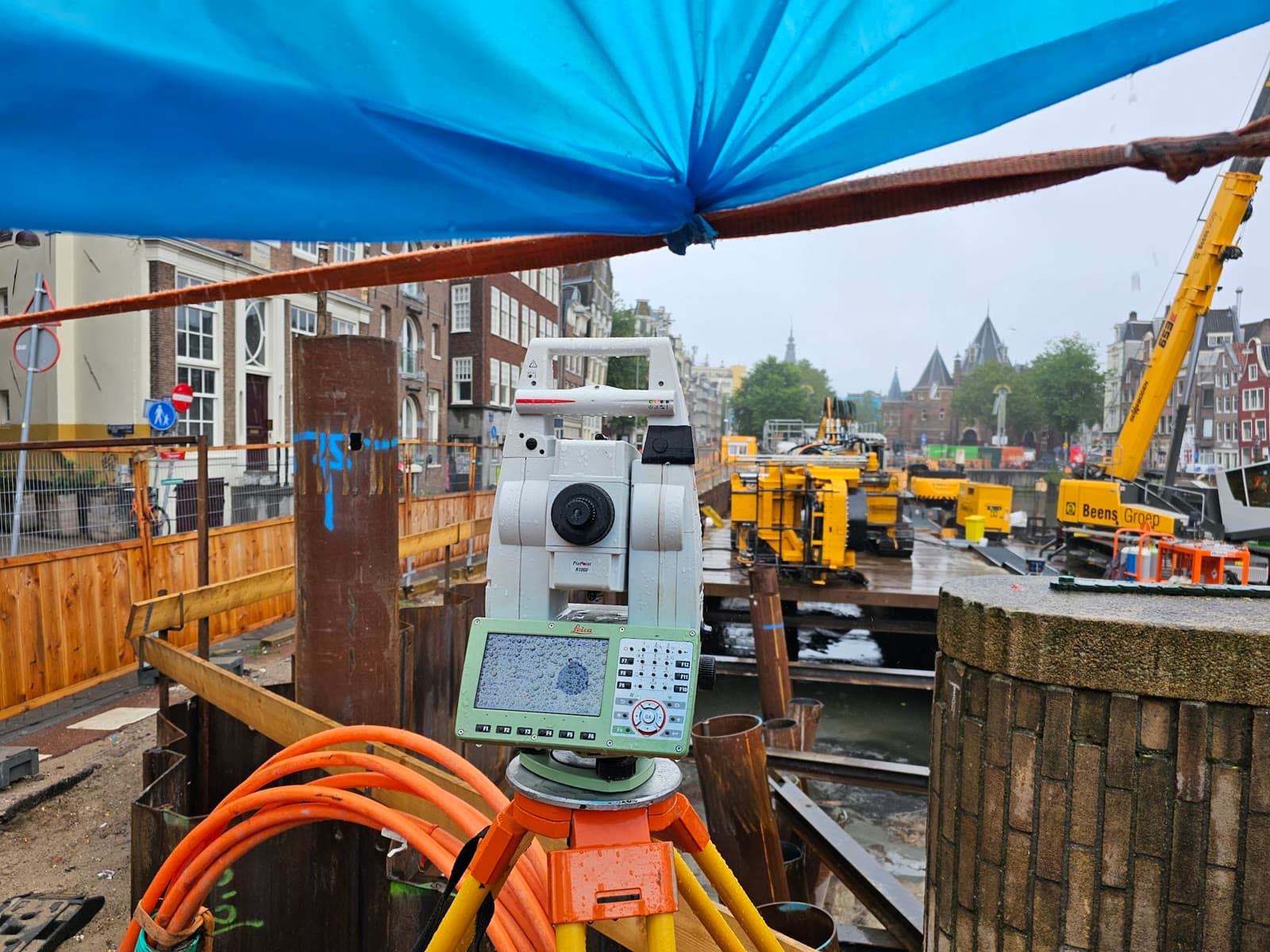
Deformation Monitoring
Measuring movement where stability is essential
What is deformation monitoring?
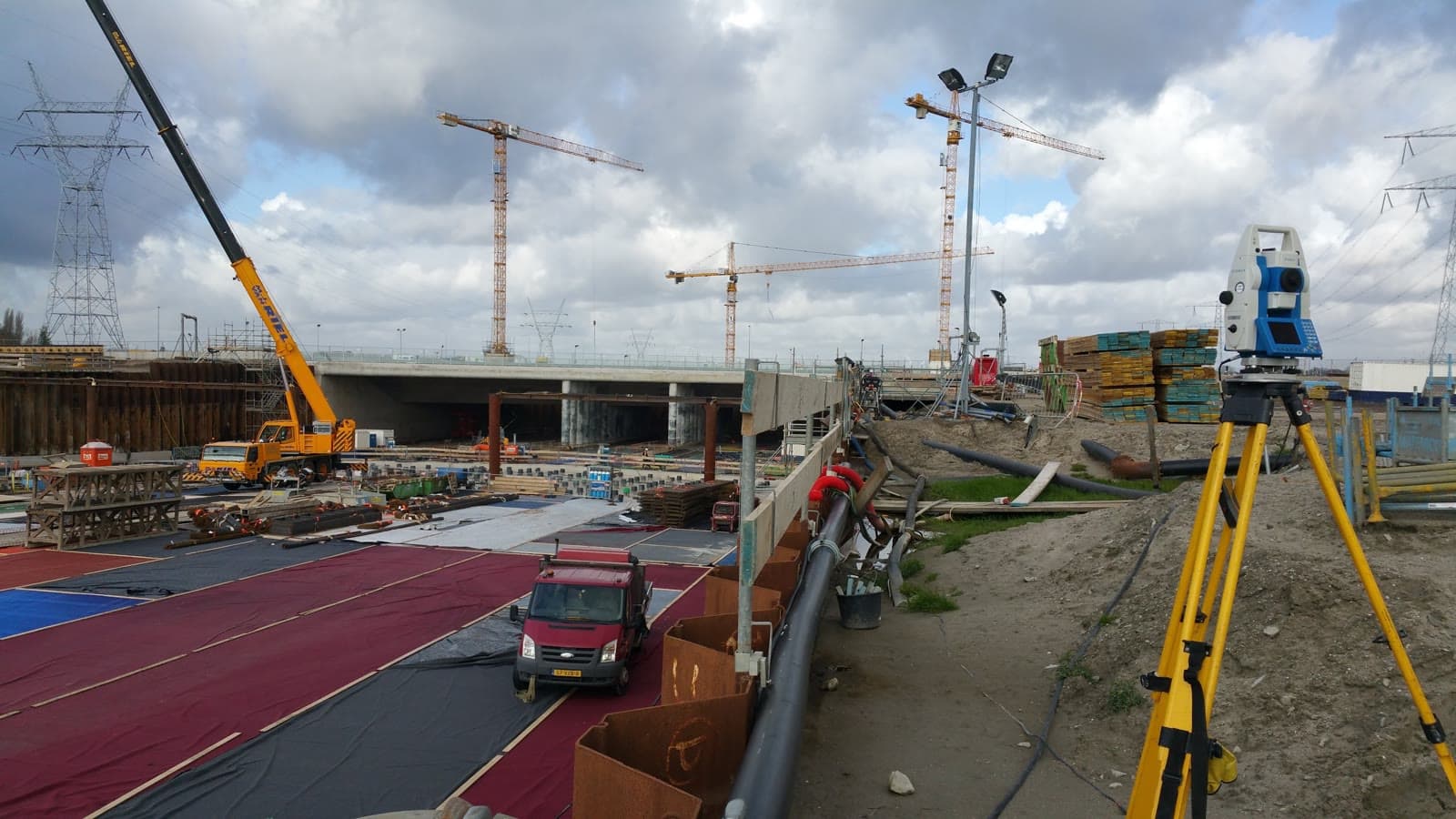
Deformation monitoring establishes whether a structure changes position over time. We measure the displacement of fixed measurement points, both in height and horizontally, and compare every round against the previous one. That shows whether a building, quay wall or civil structure is settling or shifting long before it becomes visible.
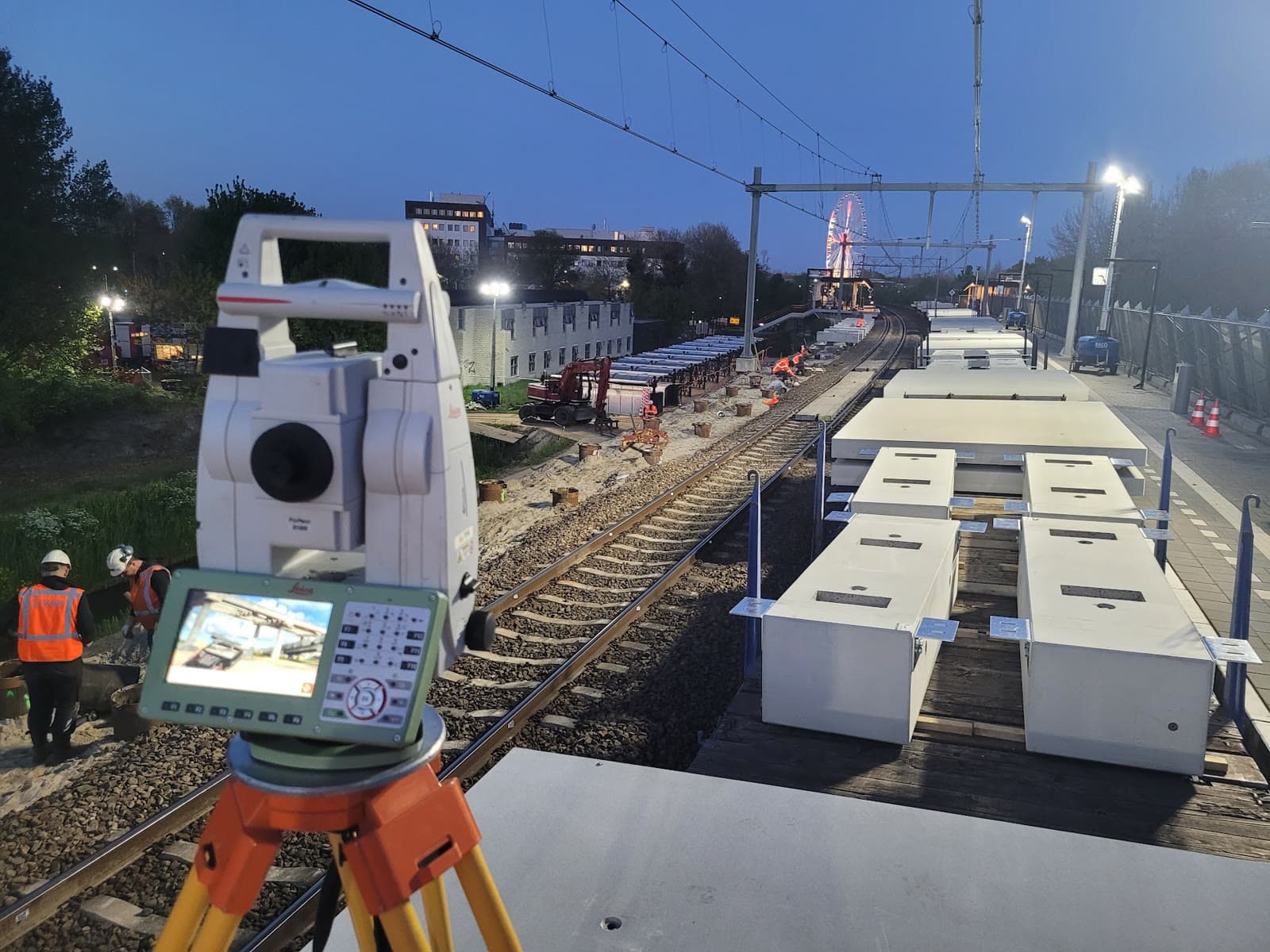
Equipment & software
- Leica TS16
- Precision leveling instrument
- Deformation prisms
When is a deformation survey needed on site?
Construction activities near existing buildings, loaded ground or sensitive structures bring risks. Buildings can settle, quay walls can shift, dikes can deform. Without measurements you only notice this when the damage is already done.
The baseline measurement sets the reference
Deformation monitoring maps these movements before they become critical. We start with a baseline measurement: capturing the starting situation at fixed measurement points.
XYZ measurements at fixed monitoring points
An XYZ measurement records the position of each measurement point in three directions: the height (Z) and the position in the horizontal plane (X and Y). That covers settlement as well as sideways displacement, and at quay walls and locks that sideways movement is the signal that matters. Every repeat round uses the same measurement points, so a difference can genuinely be attributed to the structure.
We then repeat the measurements at agreed intervals and compare the results. This produces a trend line that shows whether a structure is stable or whether intervention is required.
Deformation monitoring surveys with threshold alerts
When pre-defined threshold values are exceeded, we report immediately. That gives you time to take action before a situation escalates. Our reports contain graphs, trend analyses and clear conclusions about the stability of the measured objects.
What you receive after each deformation survey
Baseline measurement as reference for the entire project
Periodic XYZ measurements at fixed measurement points
Trend analysis with graphs and reporting
Alerts when threshold values are exceeded
Integration with automated monitoring systems
Frequently asked questions about deformation monitoring
The most asked questions about Deformation Monitoring. Question not listed? Feel free to get in touch.
That depends on the risk profile of the project. For intensive construction activities near existing buildings, weekly is common. For long-term monitoring of dikes or quay walls, monthly may be sufficient. We advise based on the situation.
Threshold values are set in advance in the monitoring plan, often in consultation with the structural engineer. For buildings, 5 to 10mm of vertical settlement is a common alarm threshold. For industrial structures, tighter tolerances often apply.
That varies from a few months (during a construction phase) to several years (for structural monitoring of dikes or civil works). We start and stop based on your project planning.
Deformation monitoring measures the movement of a structure as a whole (settlement, displacement). NDM (Precise Deformation Measurement) focuses specifically on height differences between buildings within a project area, often required for high-risk activities.
A precision leveling survey tracks only the vertical movement of a measurement point: is it settling or not. Deformation monitoring tracks the position in three directions, including horizontal displacement. If you need continuous insight rather than measurement rounds, monitoring with fixed sensors is the route to take.
“We are very satisfied with the dimensional control service across various projects. From the very first contact, communication has run smoothly.”
“Michael had everything worked out the day before and was able to come the very next day. Delivers good work and is professional. We are very satisfied.”
“The dimensional control service was excellent. The team delivered accurate and timely results, which kept the project running smoothly.”
Services that pair with deformation monitoring
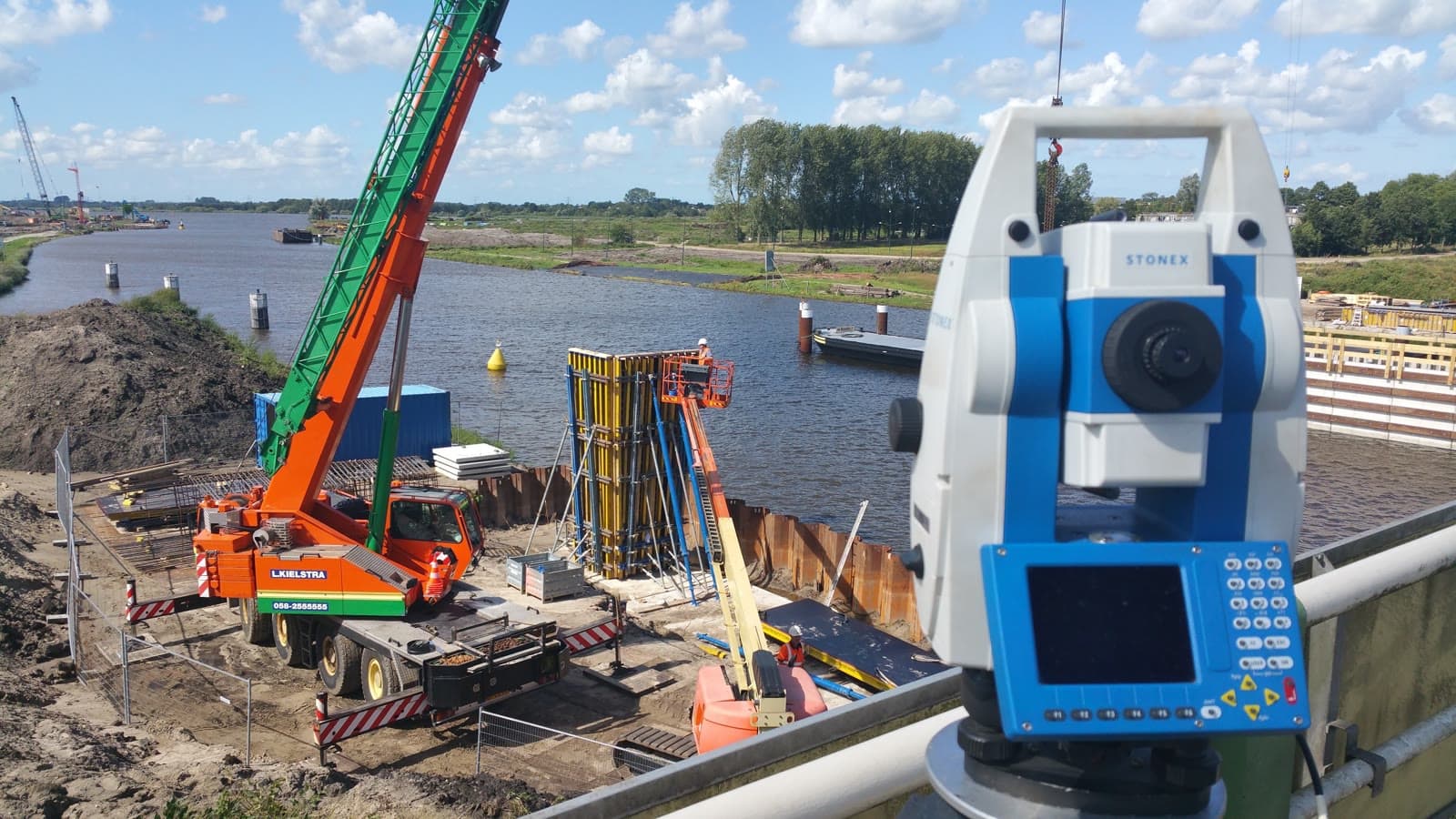
24/7 Monitoring
Keep watch over your project day and night without anyone on site. Immediate alerts on deviations, continuous insight into movement.
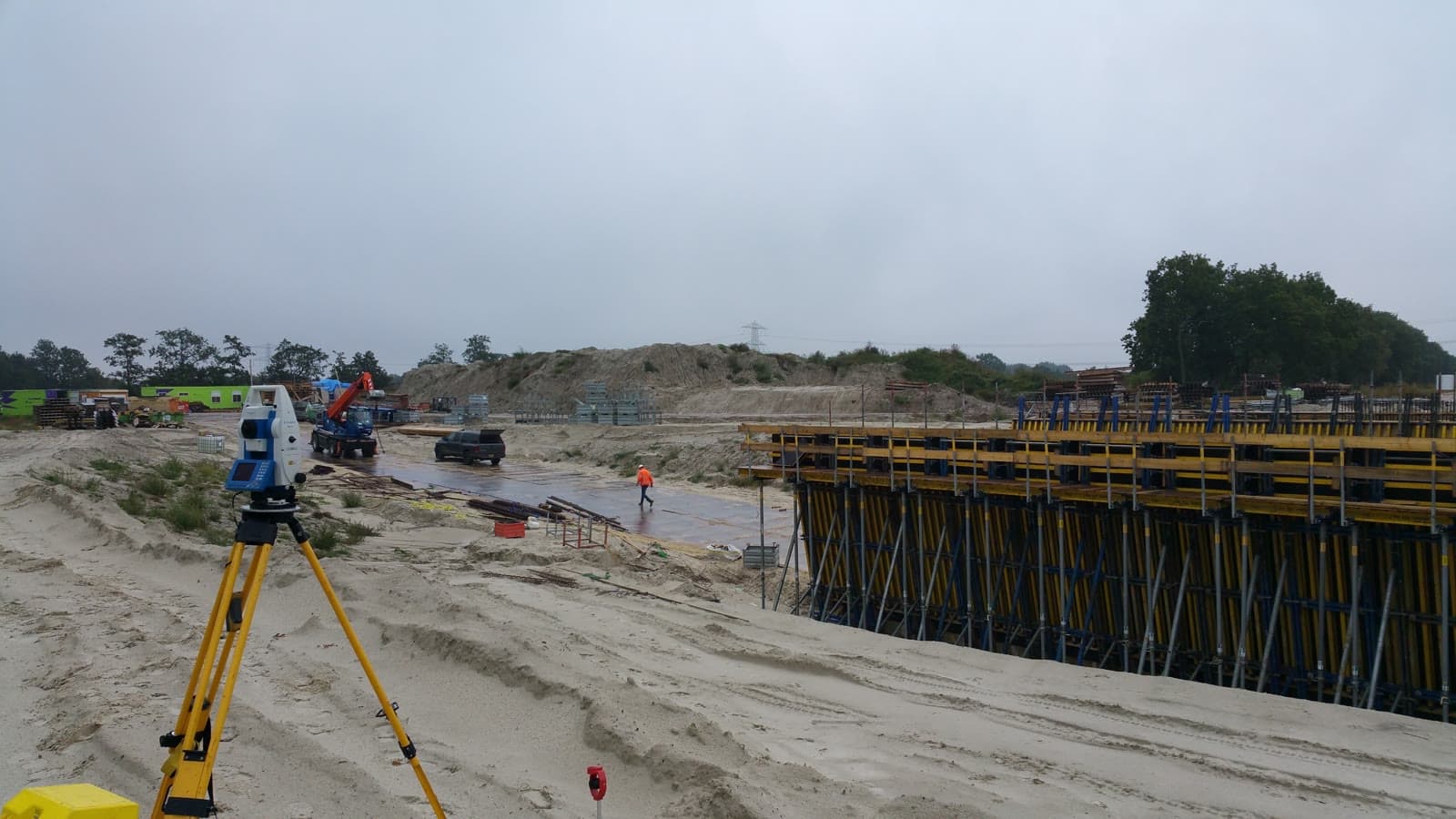
As-built Verification
Verify that everything is where it should be. As-built measurements make deviations immediately visible so you can adjust in time.
Precision Leveling
Get reliable elevation data accurate to a tenth of a millimeter. For foundations, floors and structural calculations, referenced to NAP.
Request a quote for Deformation Monitoring
Answer three short questions and leave your details. You usually get a response within 24 hours, on business days.
No-obligation advice on the approach for your project. Usually a response within 24 hours.