Volume Calculations
Knowing how much is there, down to the cubic meter
When do you need a stockpile survey?
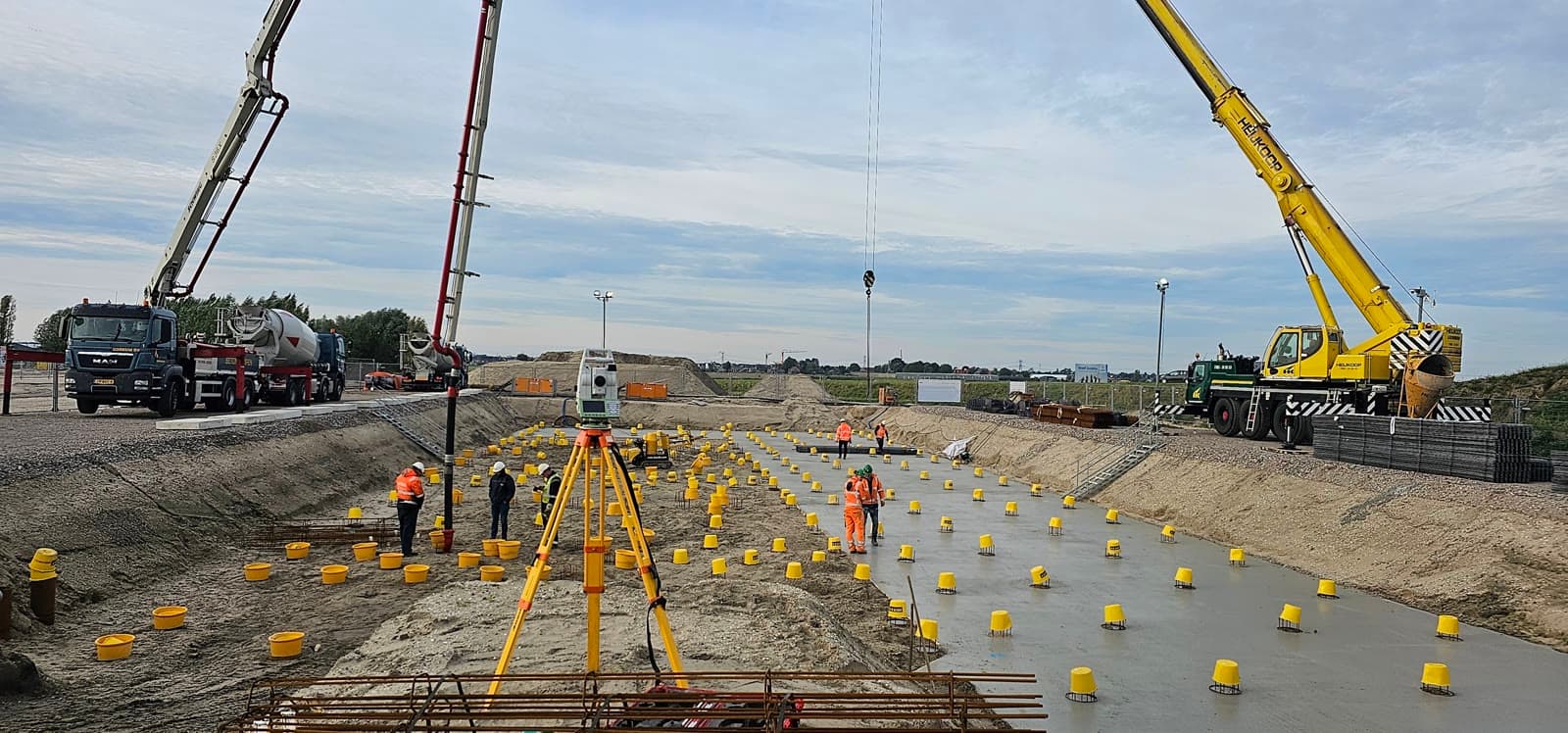
On earthworks projects, sand extraction or waste storage you need to know how much material is present or has to be moved. A wrong estimate leads to too little or too much transport, unnecessary costs and disputes with contractors.
You see this on earthworks projects, sand and gravel extraction, waste depots and storage yards. In each case you want to know how much material is there now and how much has been added or removed since the previous survey.
Equipment & software
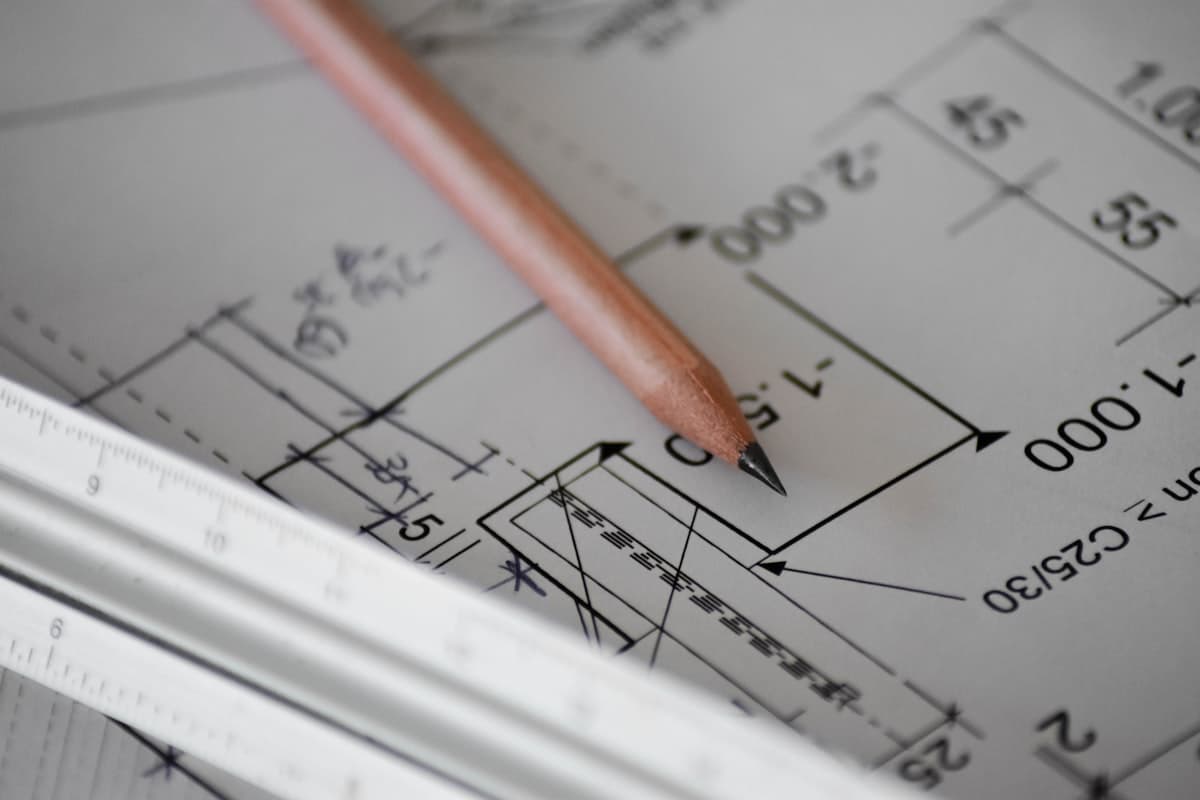
- Total station
- GNSS RTK
- Civil 3D
Volumetric survey with GPS and total station
We carry out the survey with GNSS RTK or a total station, recording all relevant elevation points and edges of the site.
We survey the terrain and calculate the volume by comparison with a reference plane or an earlier measurement. The result is an accurate volume calculation, supported by profile lines, elevation maps and a clear report.
From survey data to a digital terrain model
We process the measured points into a digital terrain model (DTM) of the site as it lies at that moment. In Civil 3D we set that model against a reference plane or against the previous survey. The difference between the two surfaces is the volume. On a repeat survey you see how much has been brought in or excavated in each period.
Drone volume surveys on large sites
On large or hard-to-reach sites we can deploy drone imagery through our trusted partner. The aerial photos are processed into a 3D model from which the volume is calculated. Fast, accurate and without the need to enter the site.
On sites larger than roughly one hectare, or on terrain that is hard to cross on foot, we bring in a drone through our trusted partner. We place ground control points so the model stays accurate.
What you receive after the volume calculation
Terrain survey and volume calculation
Comparison with a reference plane or earlier model
Reporting with profiles and elevation maps
Drone imagery for large sites (through partner)
Frequently asked questions about volume calculations
The most asked questions about Volume Calculations. Question not listed? Feel free to get in touch.
Accuracy depends on the survey method and the terrain. With GPS and total station, a deviation of 2 to 5% is typical. With drone imagery (through our partner) and ground control points we achieve comparable accuracy over large surface areas.
Yes, through our trusted partner we can deploy drone imagery on sites larger than one hectare or in hard-to-walk terrain. The drone takes photos that are processed into a 3D model. For accuracy we place ground control points.
That depends on the project. For active earthworks projects, monthly or per phase is common. For inventory management at storage yards, an annual measurement may be sufficient.
“We are very satisfied with the dimensional control service across various projects. From the very first contact, communication has run smoothly.”
“Michael had everything worked out the day before and was able to come the very next day. Delivers good work and is professional. We are very satisfied.”
“The dimensional control service was excellent. The team delivered accurate and timely results, which kept the project running smoothly.”
Services often combined with volume calculations
Land Surveying
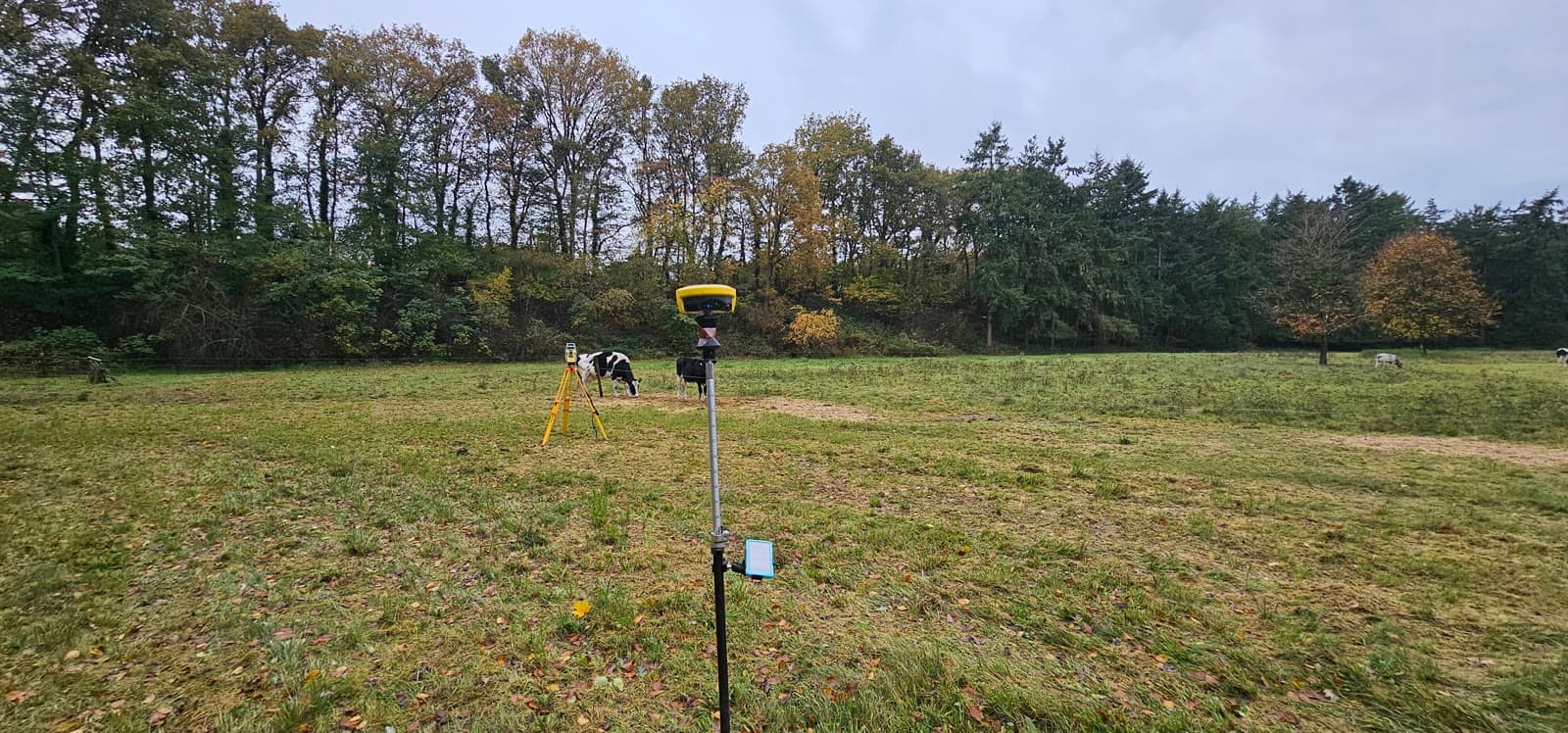
Lay the geodetic foundation for your project. From site survey and topography to setting out, so your construction team can get started immediately.
GPS Surveying
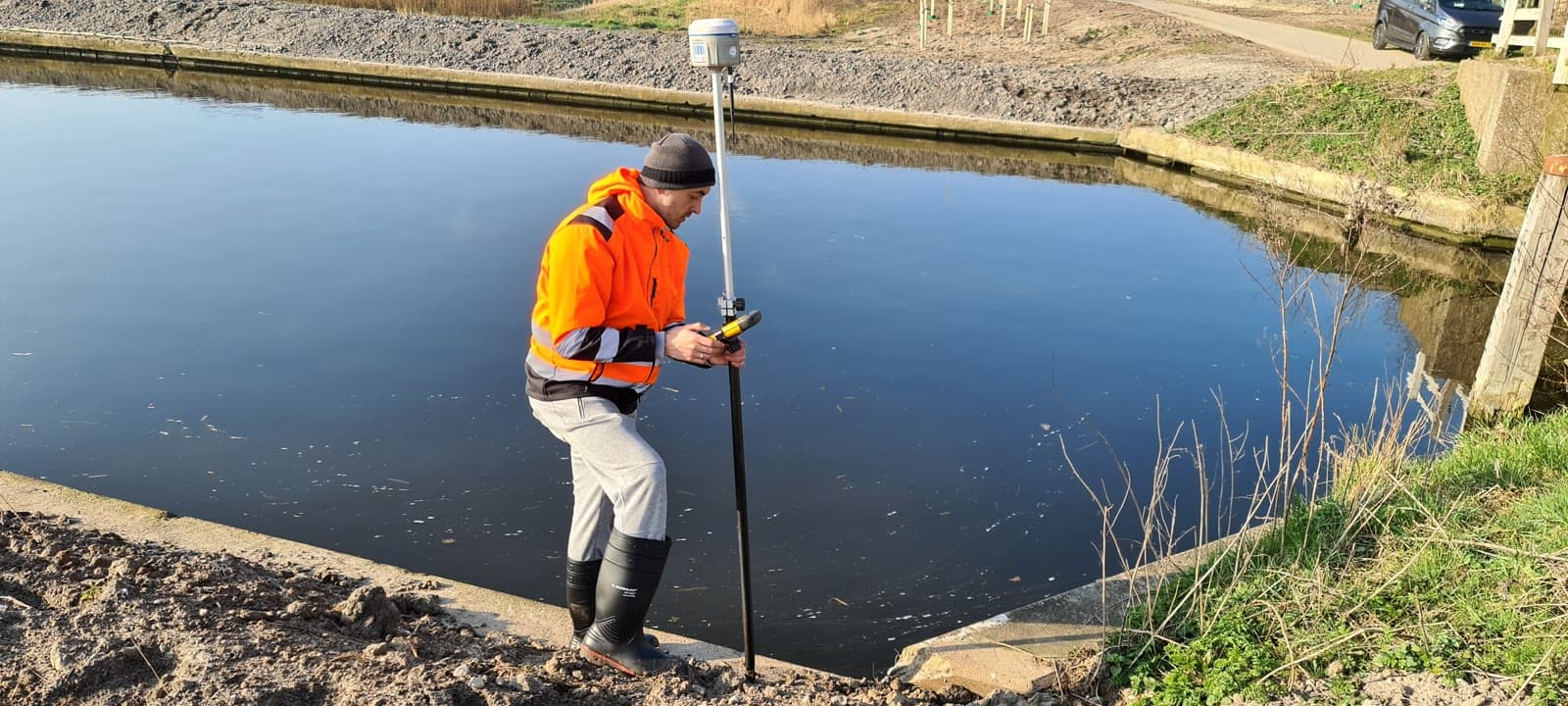
Survey large areas quickly and accurately using RTK satellite corrections. Ideal for infrastructure projects and setting out in open terrain.
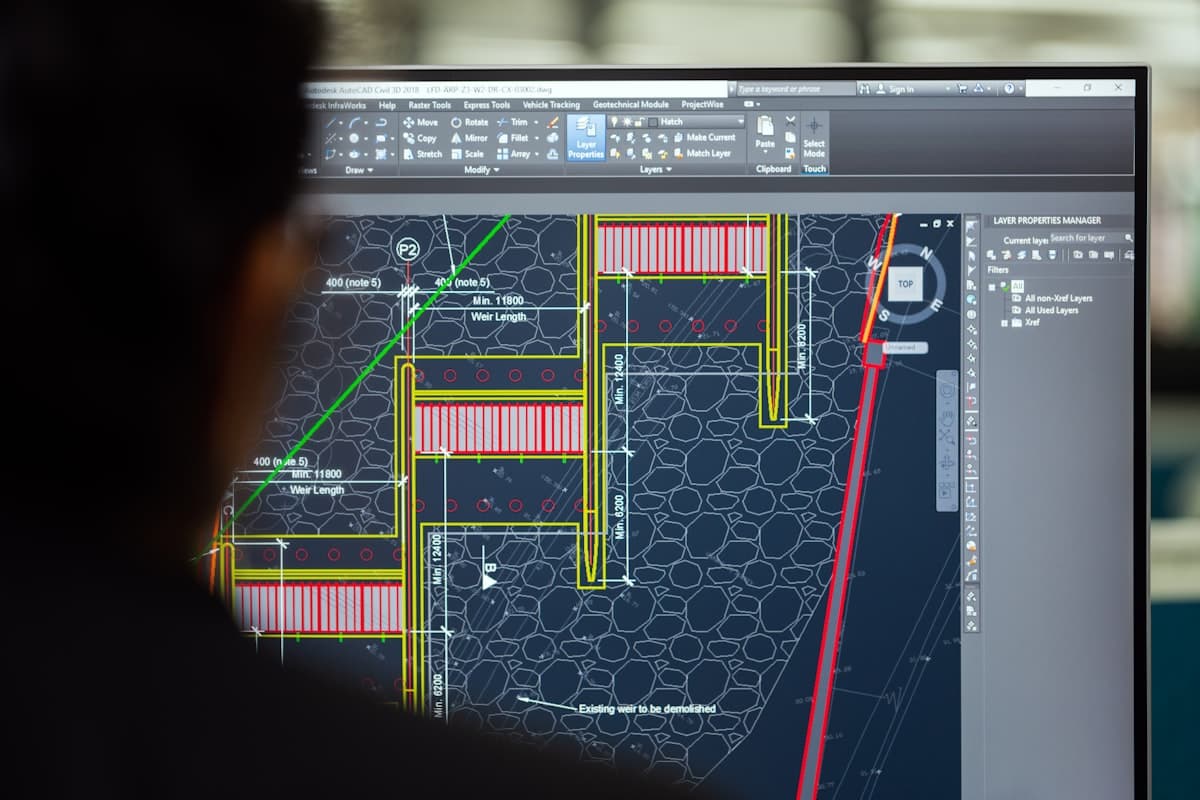
Drafting / CAD
Turn raw measurement data into usable drawings and 3D models. Receive your files in DWG, IFC or RVT, ready for engineering.
Request a quote for Volume Calculations
Answer three short questions and leave your details. You usually get a response within 24 hours, on business days.
No-obligation advice on the approach for your project. Usually a response within 24 hours.